
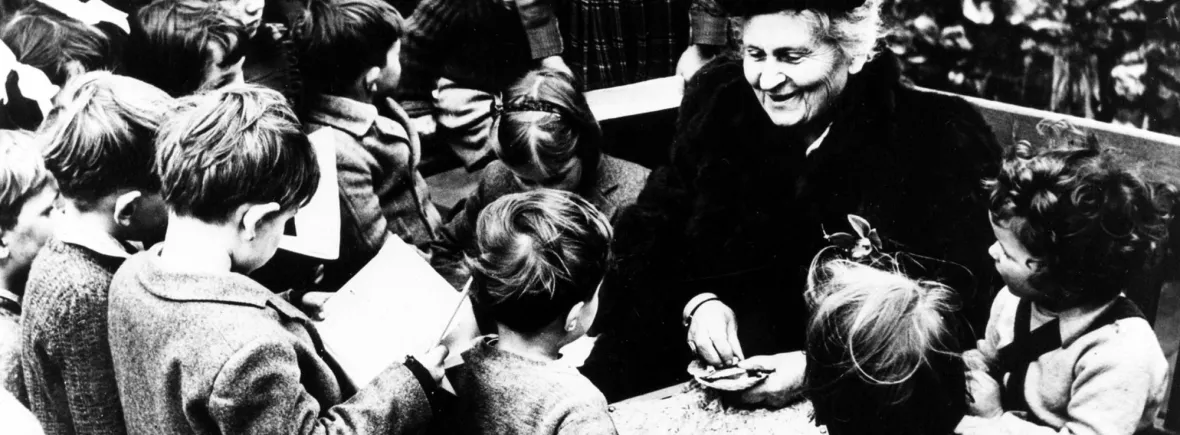
You may have heard the name “Montessori” thrown around. Perhaps you’ve heard of Montessori education, of the Montessori method or other terms of the sort. But unlike what you may think, Montessori isn’t just about expensive wooden materials or expensive elitist schools. It all started with an extraordinary woman who was very much ahead of her time. With a lot of patience and trial and error she has scientifically developed a whole entire pedagogy. But let’s start with the beginning: who was Maria Montessori?
There have been many works written by Maria Montessori herself, her son, and other professionals on her work and her life. What I’m aiming to do here is to give you an overview of some of the main aspects that shaped the life of this fascinating woman and how she got into education (which was not at all the path she had envisioned for herself).
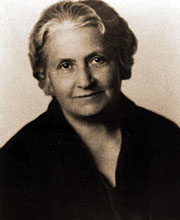
Education
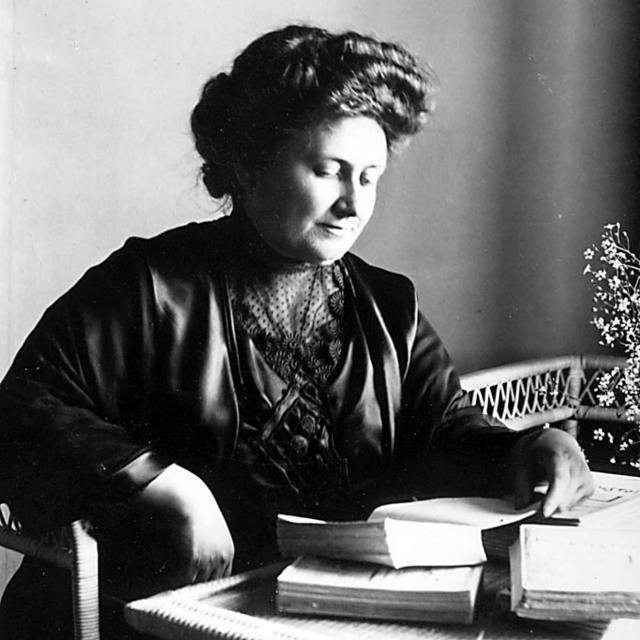
Maria Montessori was born in Italy on the 31st of August 1870. She was an only child and attended a local state school.
From an early age, Montessori showed that she had a strong personality, which would ultimately help her break through the barriers of what was possible, expected and allowed for women to achieve in her time.
By the age of thirteen, Montessori already knew she didn’t want to become a teacher or housekeeper (the two careers deemed acceptable for women). She wanted to attend (and then did) a technical school to become an engineer in 1883. This was very unusual for a girl to do.
Although her parents were very encouraging of her education, when she graduated, they hoped to redirect her towards teaching. But she had other ideas: she wanted to become a doctor.
This was revolutionary for the time and her father opposed this decision as it was too much for him to accept. But Montessori kept to her goals, even if it put a strain on their relationship. Montessori’s mother, on the other hand, supported and respected her choice.
Montessori attempted to begin her studies at the University of Rome on multiple occasions, but was refused. Montessori was insistent: she wouldn’t take no for an answer.
Her persistence bore fruit. Eventually the university gave in, and Maria Montessori became one of the first women in Italy to study medicine at the time, and the first woman to do so in the University of Rome.
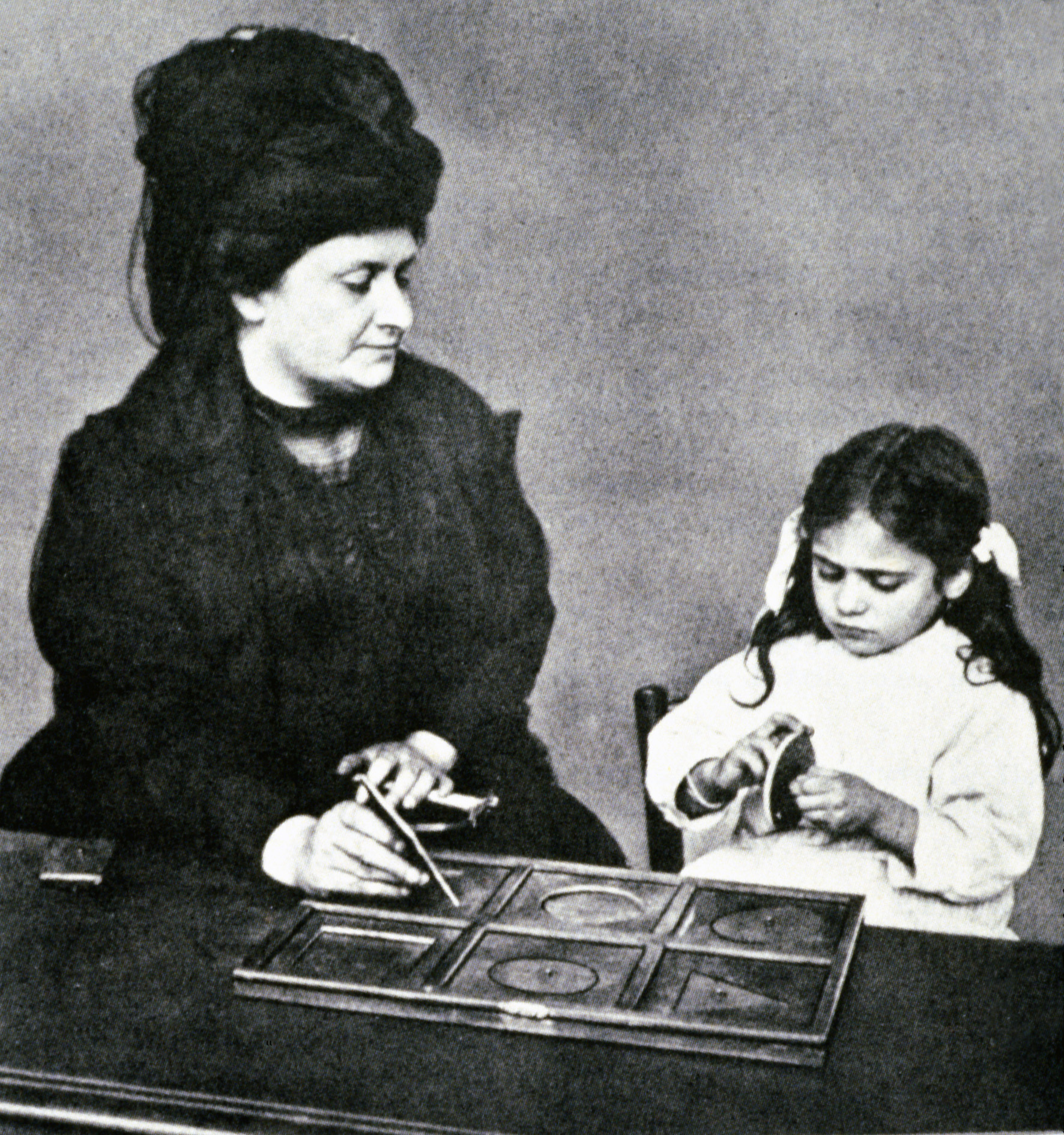
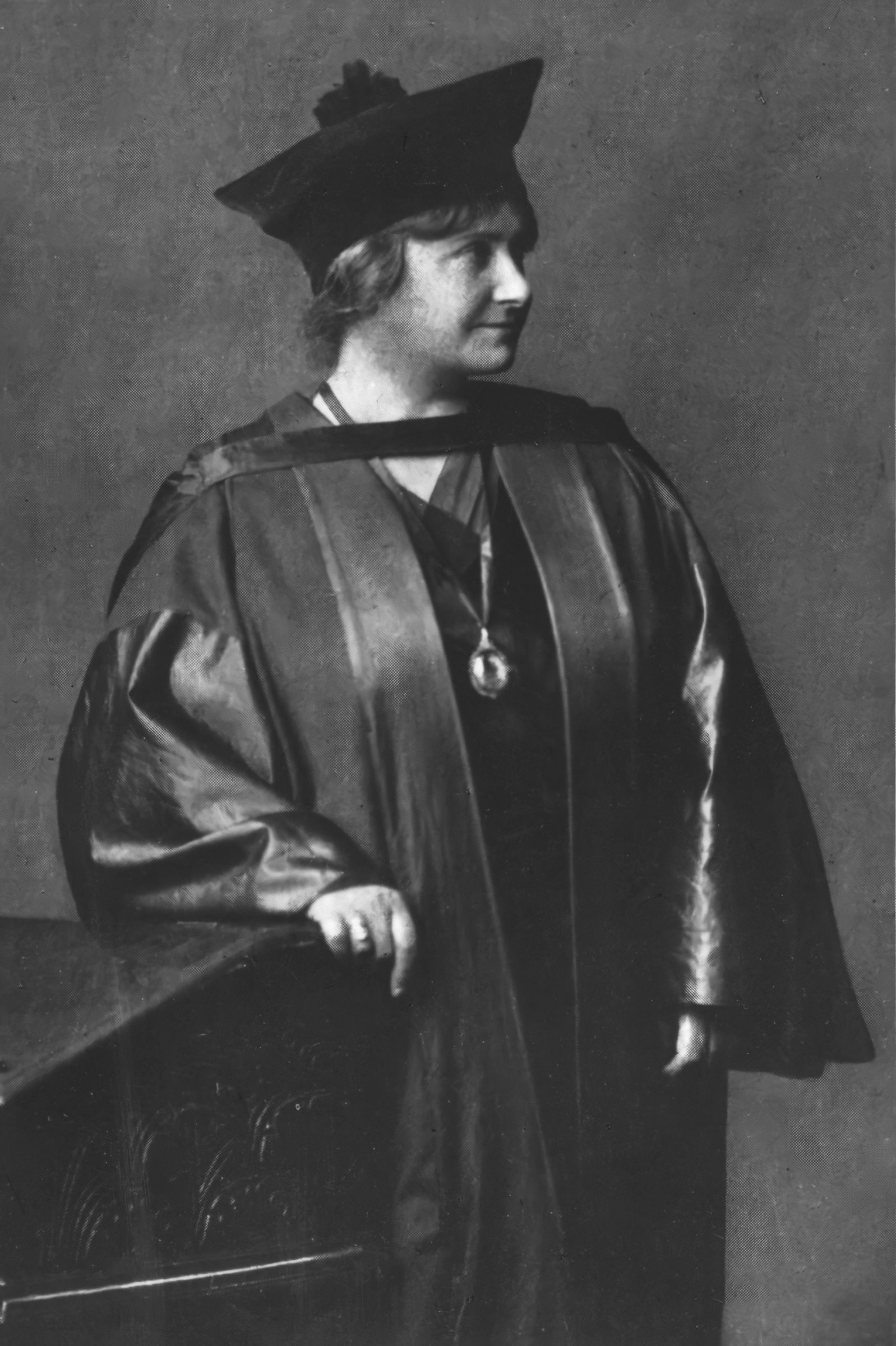
Although Montessori was a good student and obtained several scholarships, her time at the university was not easy. She faced a lot of prejudice from her male colleagues who made jokes, kicked her chair during lectures, stood in her way to keep her from lessons, “booed” her when she entered classes, etc.
Moreover, there were several parts of the curriculum she was not allowed to work on with her male peers, such as dissections. If she wanted to complete this part of the curriculum, she had to come back at night to do so on her own. Despite these hardships, Montessori was dedicated to her goal and didn’t give up.
Maria Montessori graduated in July 1896. This achievement made her known across the country as it was rare — nearly unheard of — to become a female doctor. When she defended her thesis, her father was present and was so impressed that he admitted being proud of her.
The Start of her Work
Montessori was someone who was very direct in what she wanted to say. She also defended women’s rights from an early age. This could be noted when she was invited to the International Women’s Congress in Berlin to represent Italy, where she talked about women being entitled to equal wages to those men received.
Around the same time, Montessori worked on a research program at the psychiatric clinic of the University of Rome. The children there were considered idiots and backwards and were therefore hidden away. Montessori related that on her first visit, the caretaker was so disgusted by these children because they would be picking up crumbs off the floor to play with. Montessori, on the other hand, noticed that the rooms were bare. She observed that the children were desperate for something to do, to touch, and for stimulation. As they had nothing but the bread crumbs available, that is what they played with. She also noted that the deprivation of material was further contributing to their condition. They were completely abandoned and this didn’t help them.
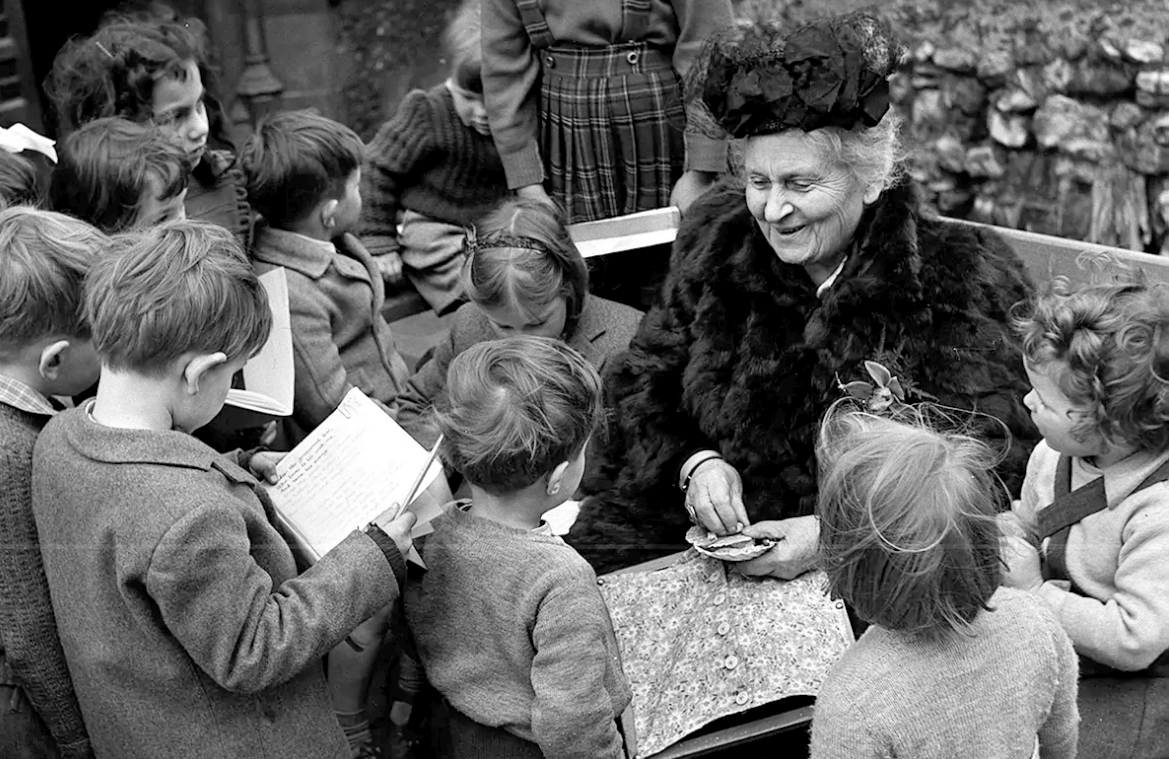
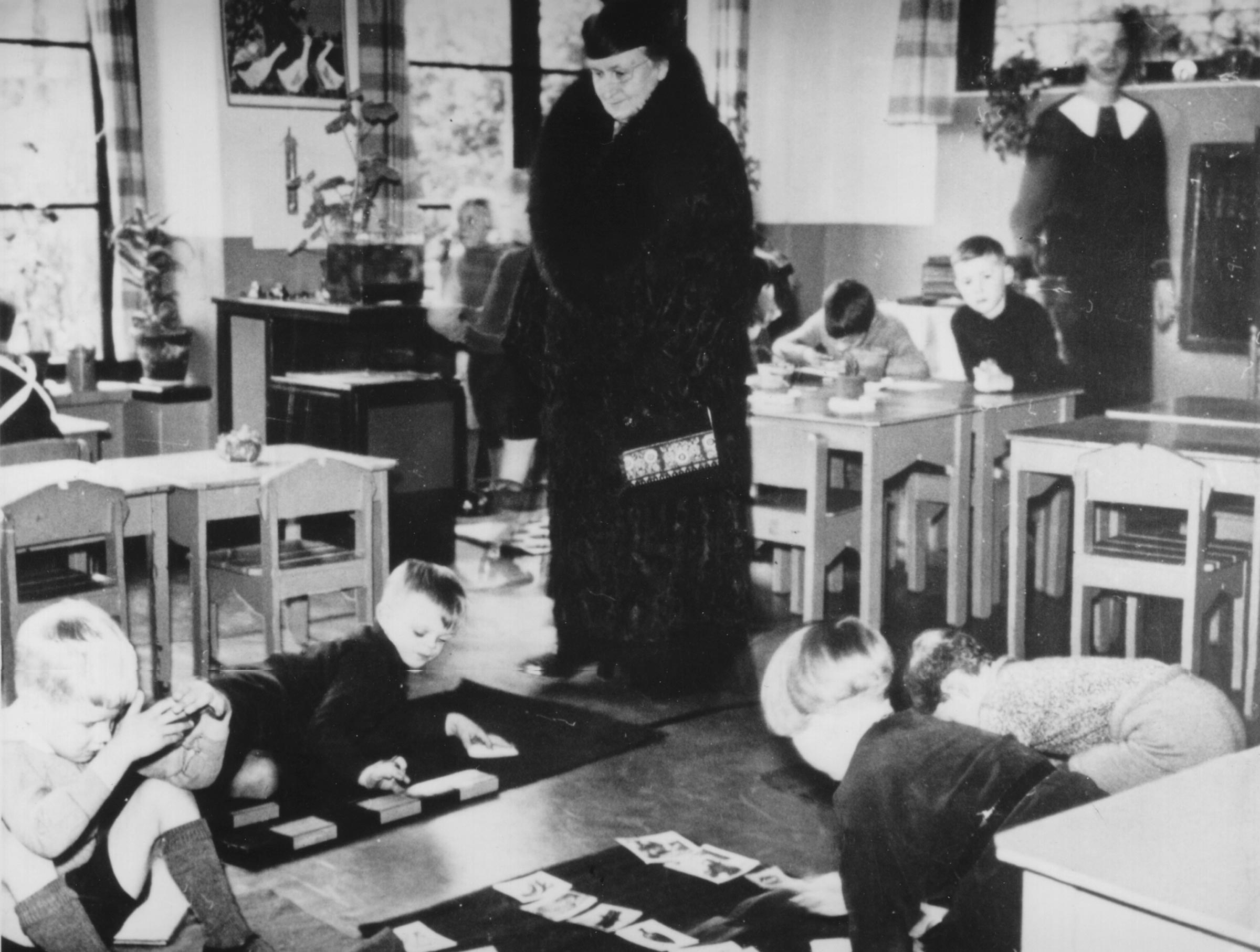
Two years after becoming a doctor, Montessori attended a congress for elementary school teachers (she was 28 at this time). When talking about the children she worked with, she declared the issue wasn’t with their health, but with education. She impressed the authorities at the congress so much that they created a school for people with mental and/or physical deficiencies: the Orthophrenic School, under the direction of Dr. Maria Montessori.
Montessori continued to research and to learn about these children, and was notably inspired by the work of Jean-Marc Itard and Edouard Séguin.
Personal Life
When Maria Montessori started working at the psychiatric clinic, she worked closely with Dr. Giuseppe Montesano, with whom she developed a romance. Due to the expectations of the time, they never married so that Maria Montessori could maintain her career.
In 1898 Montessori gave birth to her only child, a son, Mario. At the time, not being married and also being Catholic, it was out of the question for her to have a child. Her pregnancy had been kept a secret and, when he was born, Mario was taken away from her to be raised by another family. Both Maria and Giuseppe visited Mario often and developed a strong bond with him. But it wasn’t until Mario was a teenager that he was told of their true relation. When he did, Mario went to live with Maria and he actively took part in developing Montessori’s work.
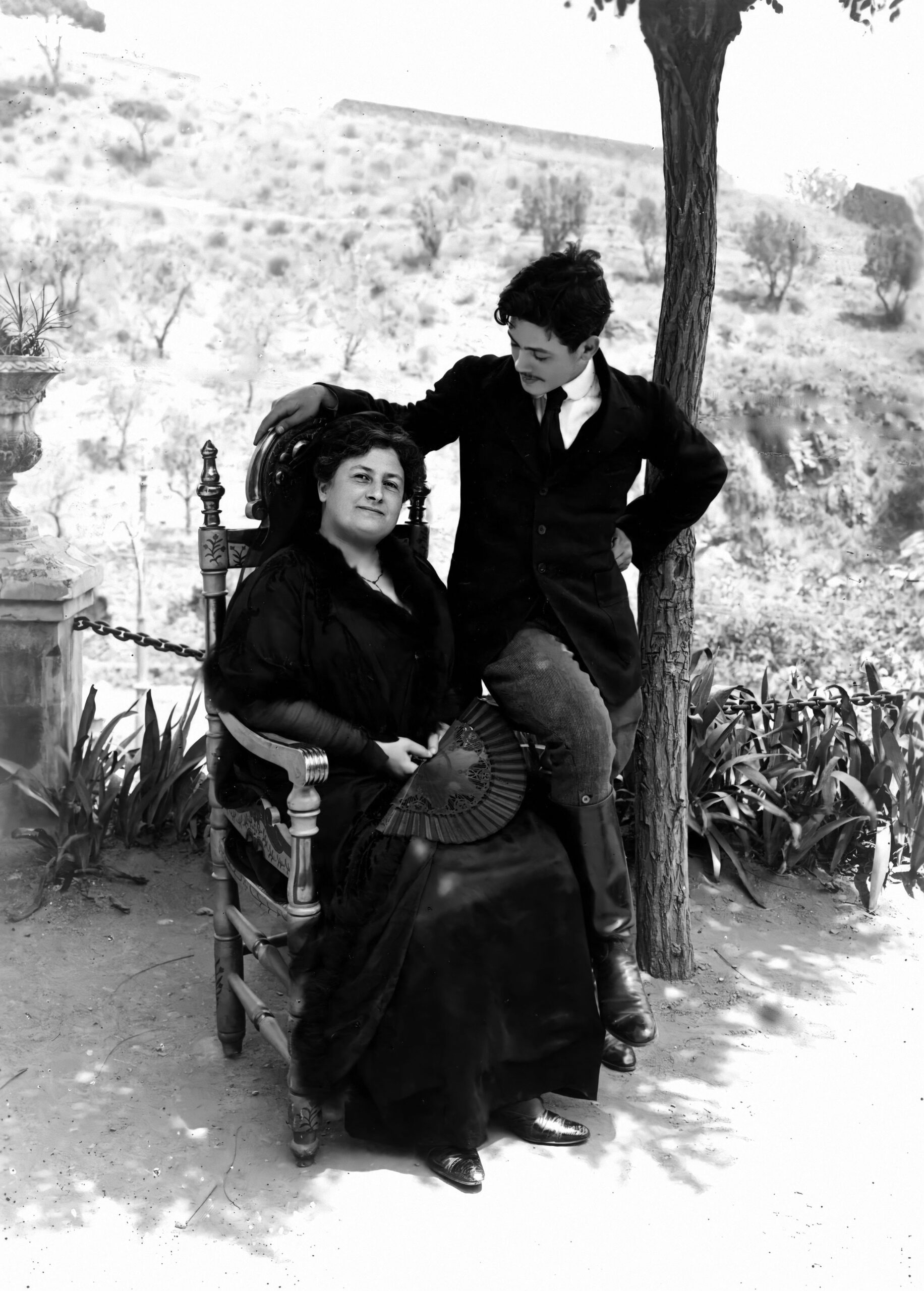
In the couple of years following the birth of Mario, Maria Montessori continued her studies. During this time she continued developing her knowledge in pedagogy and continued working with the children in the psychiatric clinic.
It was also during this time that she considered adapting her education methods for children with learning difficulties to larger education.
The First "Casa dei Bambini"
In 1906, Maria Montessori was invited to take care of, and educate, a group of children of low-income families that were spending their days on the streets while their parents worked, in San Lorenzo, Rome, Italy. As she had been wanting to try her methods with children that had no learning disability, Montessori accepted.
The first Casa dei Bambini (Children’s House) opened on the 6th of January 1907. She welcomed between 50 and 60 children aged 2 to 6.
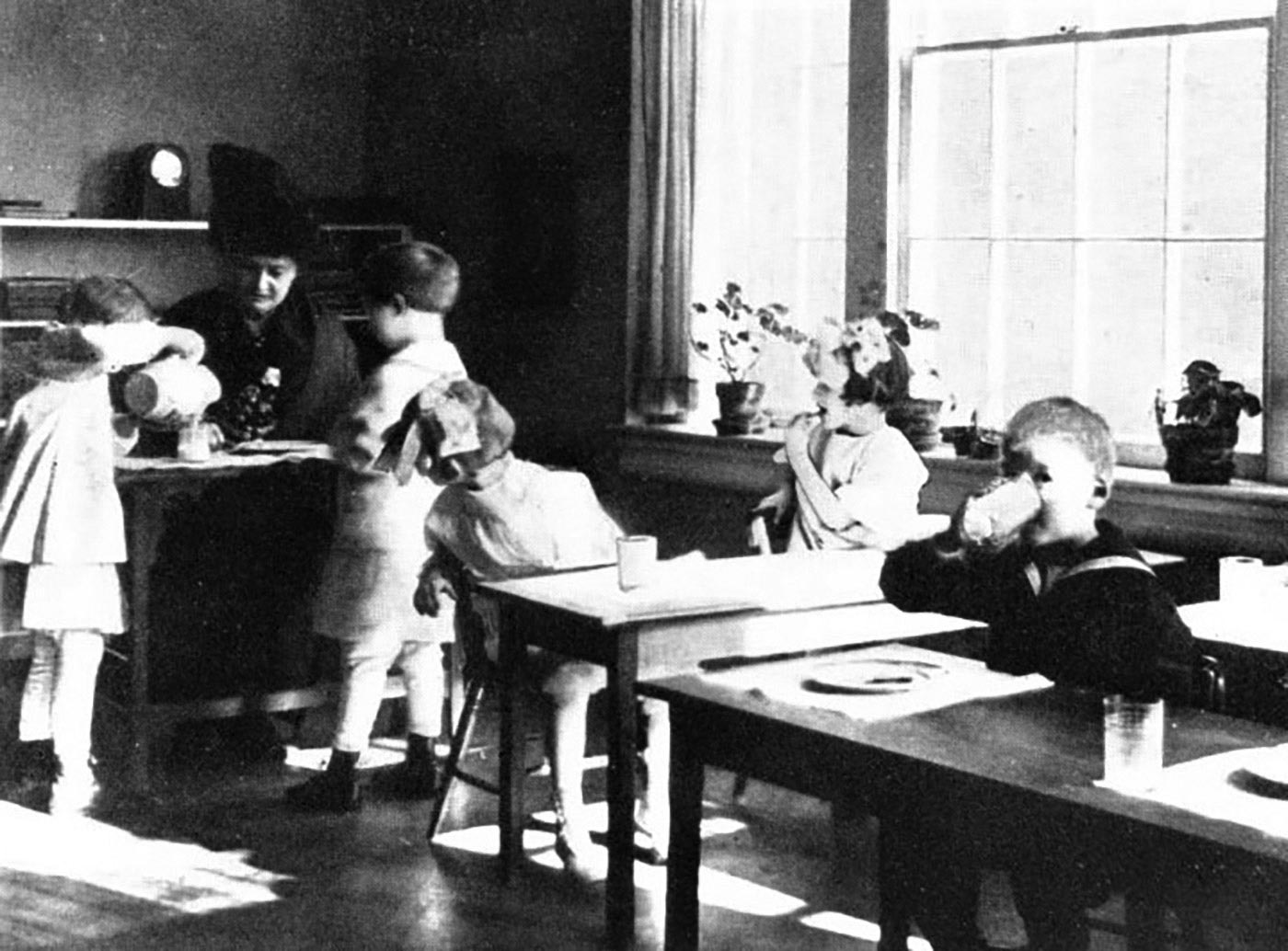
In her Children’s House, Montessori invited the children to focus on practical life activities, like learning to get dressed, washing their hands, dusting, gardening, etc. They were also introduced to some of the materials she had developed over the years. Montessori mainly observed the children and took note of what she saw rather than directly teaching them. Her insights during this time, were crucial to developing the main principles and practices of her education method. They also informed her on how to adapt or change the materials she brought in so that they were developmentally appropriate to the child.
It was really during this time that the foundations of what we know today as the “Montessori Method” developed and evolved.
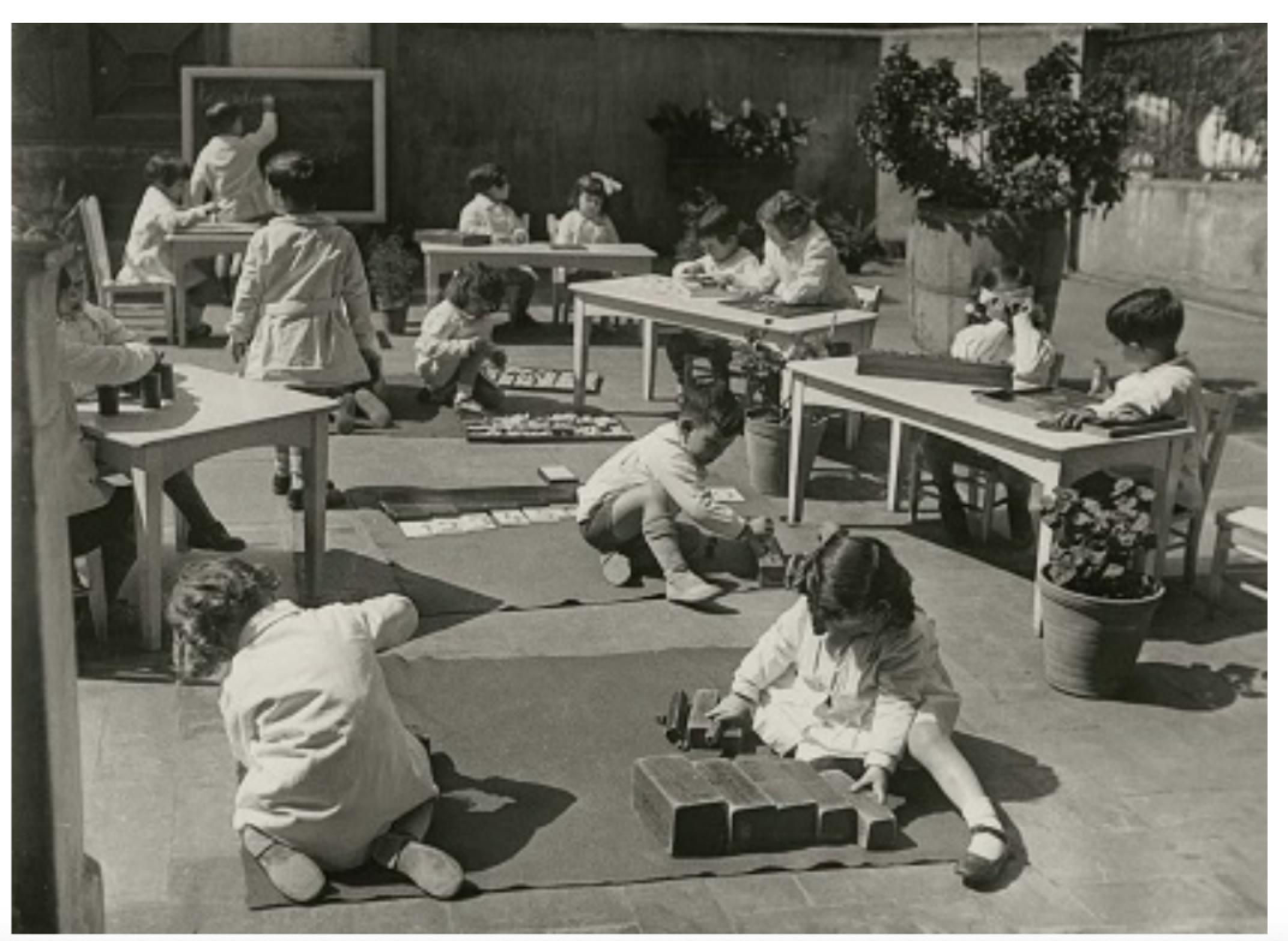
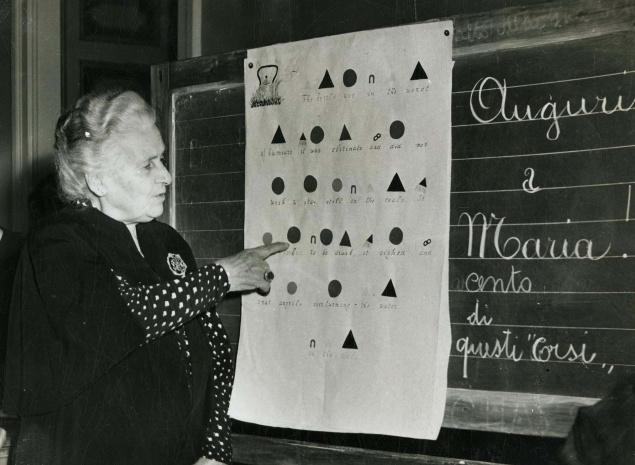
The Casa dei Bambini was so successful that just a few months later another one opened and Montessori’s work with these children who demonstrated concentration and self-discipline, drew the attention of many educators, public figures and journalists.
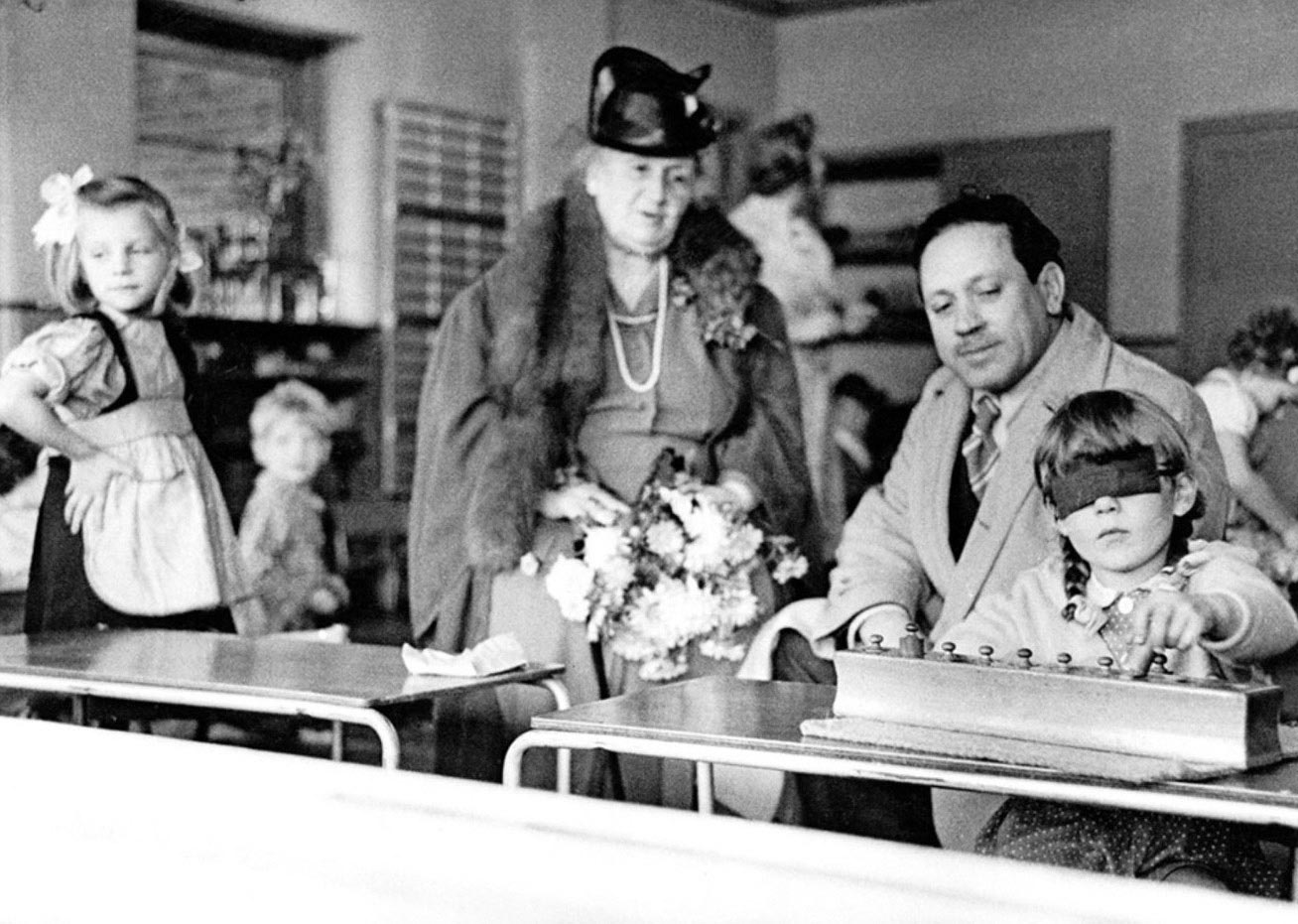
Several more Casa dei Bambini opened in Italy in 1908 and another one in Switzerland the following year. In 1909, the first training course was held. Over the next decade her work in the educational field spread internationally and her name became well-known as her books were being published in more and more languages. Schools were opening all over the world (the Americas, Western Europe, Asia, Australia…). In 1919, Montessori decided to resign from her post at the University of Rome to dedicate more time to her work in education.
The Association Montessori Internationale
The first International Montessori Congress was held in Denmark in 1929. At this event, Maria Montessori and her son Mario founded the Association Montessori Internationale (AMI). It’s aim was to oversee global Montessori activities, supervise the training of Montessori teachers, control the publication rights of Montessori’s work and the production of authorized didactic materials.
Education for Peace
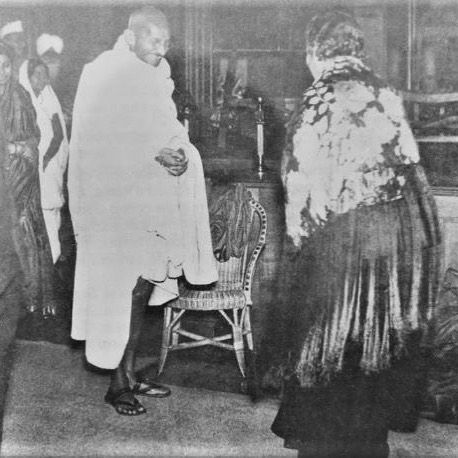
Maria Montessori became a big advocate for peace. She pointed out that the education of the child was key in creating tomorrow’s peace as the child was the man of tomorrow. In her own words: “Establishing a lasting peace is the work of education… all politics can do is keep us out of war.”
Montessori held multiple conferences in which she spoke about the subject and was even nominated several times for the Nobel Peace Prize (in 1949, 1950 and 1951). Her lectures were published in the book now known as Education and Peace.
Years in India
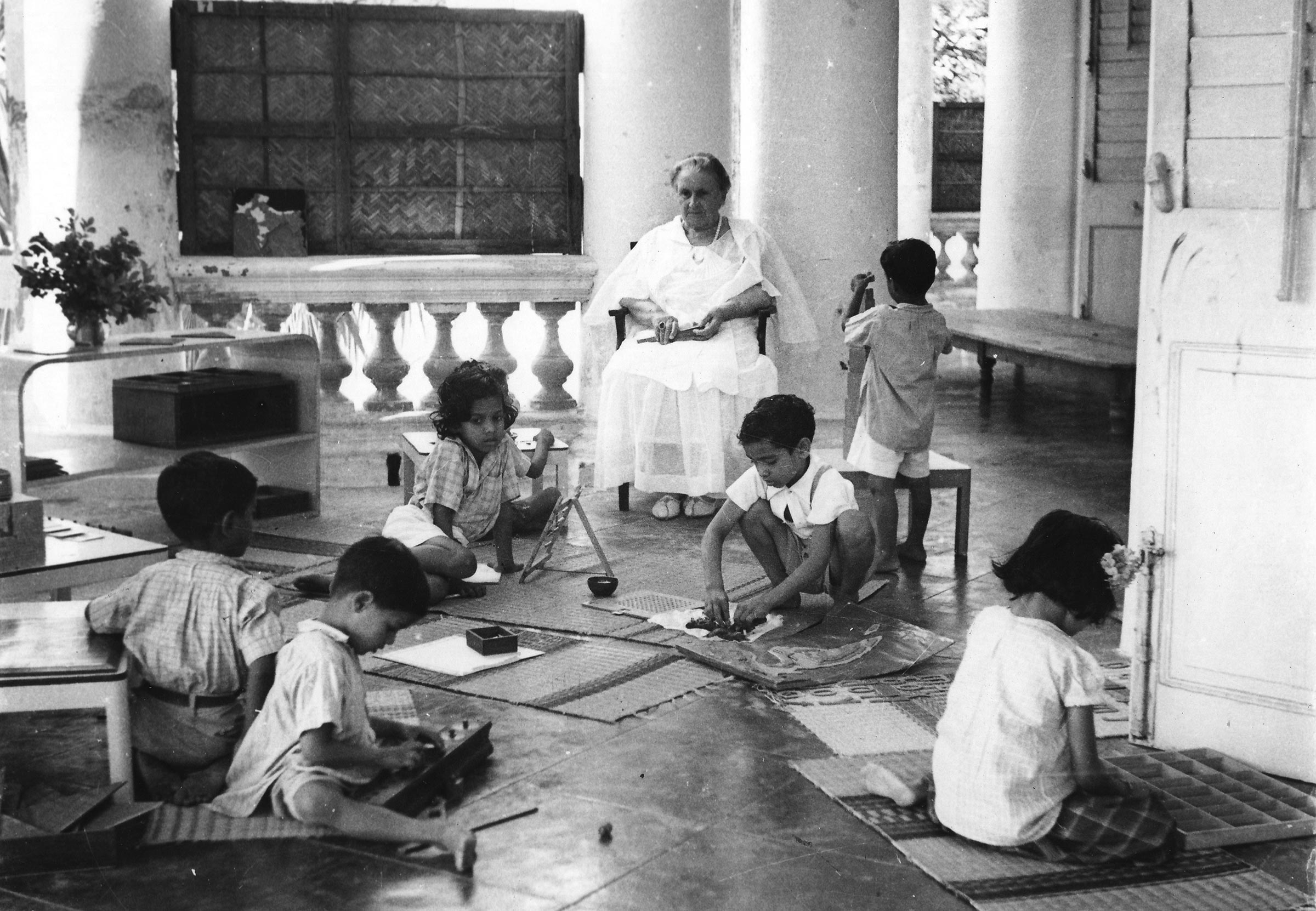
In 1939, Maria Montessori and her son traveled to India, after receiving an invitation. While their trip was meant to last just three months, they ended up staying seven years. Four of these were spent under house arrest due to the Italians joining WWII and siding with the Germans (India was under British rule at the time).
During her time in India, Montessori continued her work. She continued to develop her method and started developing the basis of the 6 to 12 (elementary) program, with her son, around “cosmic education”.
It was also during this time that Montessori’s attention was drawn to babies and toddlers, as young mothers would follow her teacher training with their little ones in tow.
Return & Her Legacy
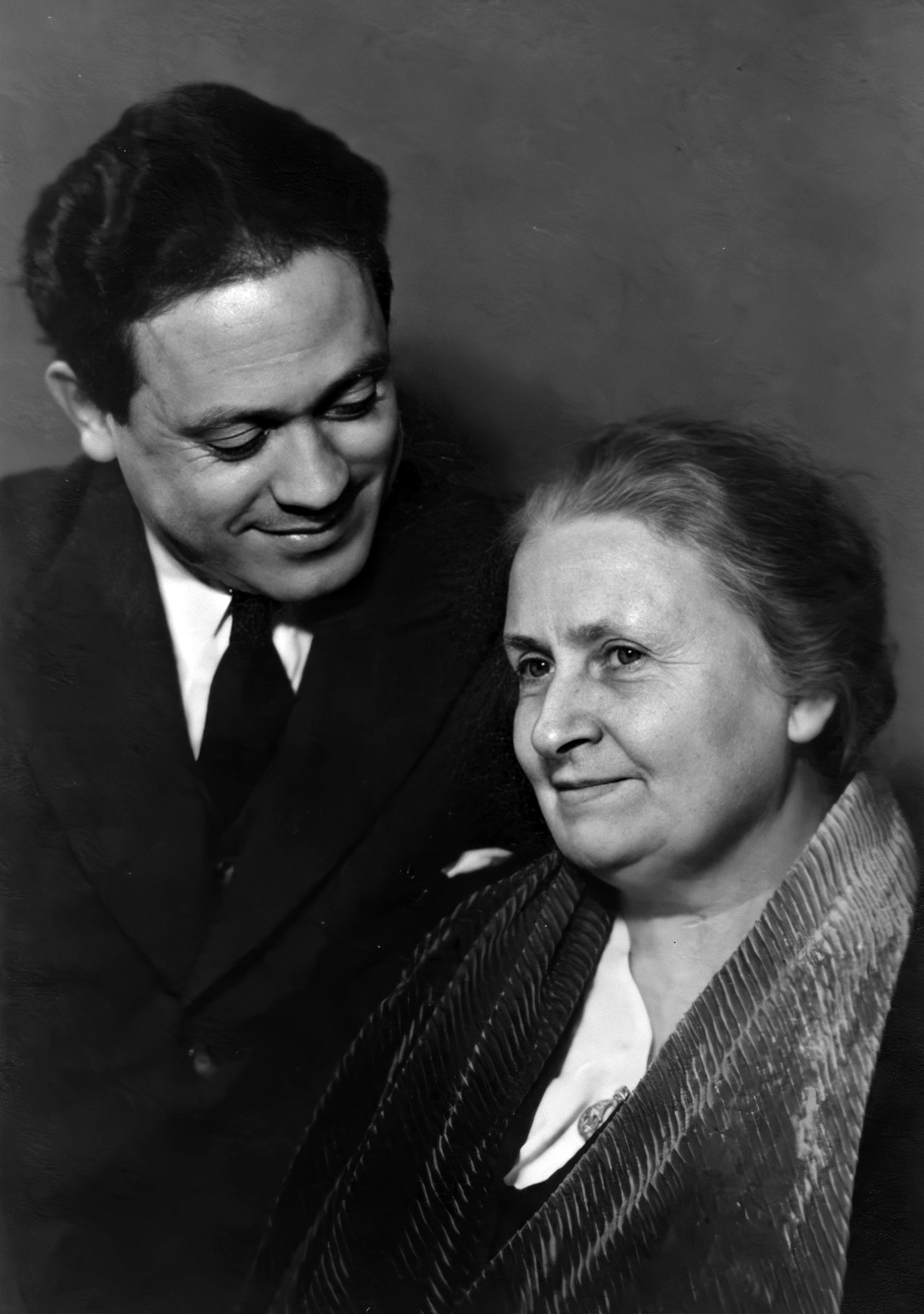
When WWII ended, Montessori and her son were free to return to Europe (she was 76 years old). So they returned to the Netherlands, in Amsterdam, where Mario’s family lived.
The last time Maria Montessori attended a Congress was in 1951, in London.
On 6 May 1952, Maria Montessori passed away in the Netherlands in the family home, at the age of 81. She bequeath her legacy to Mario. Together with Camillo Grazzini, Mario continued to develop the 6 to 12 program that he had begun with his mother.
Conclusion
I hope this overview of Maria Montessori’s life and work has allowed you to better understand the origins and the person behind this pedagogy. And yes, I say overview because while this post was quite detailed, there are many things I have chosen to leave out for the sake of keeping it brief enough to read within a few minutes.
You can continue discovering more about her life and work through the many biographies written about her and reading her lectures and works. I also invite you to continue perusing and supporting Little Montessori Bears as I share more about Montessori, her work and our family’s journey within the pedagogy she developed.
Sources:
Text: The content of this post has mostly been drawn from course notes taken during my 3 to 6 training in 2021. Some facts were double-checked for accuracy with external sources.
Images: Most images in this post have been sourced from the website “Maria Montessori 150“.


